schedule Electrical Contractor for immediate needs
Understanding Electrical Services: What Your Contractor Can Do for You
Grasping electrical systems and services is crucial for property owners. A licensed electrical contractor serves a critical function in improving efficiency and safety. They deliver numerous services, from initial installations to maintenance and upgrades. Choosing the right contractor requires weighing a variety of important factors. Residential owners tend to underestimate the critical need for following established safety regulations. As the discussion unfolds, key insights will surface about maximizing electrical system efficiency and guaranteeing a sense of security. Which electrical needs should homeowners place at the top of their list?
What Kinds of Electrical Services Do Contractors Offer?
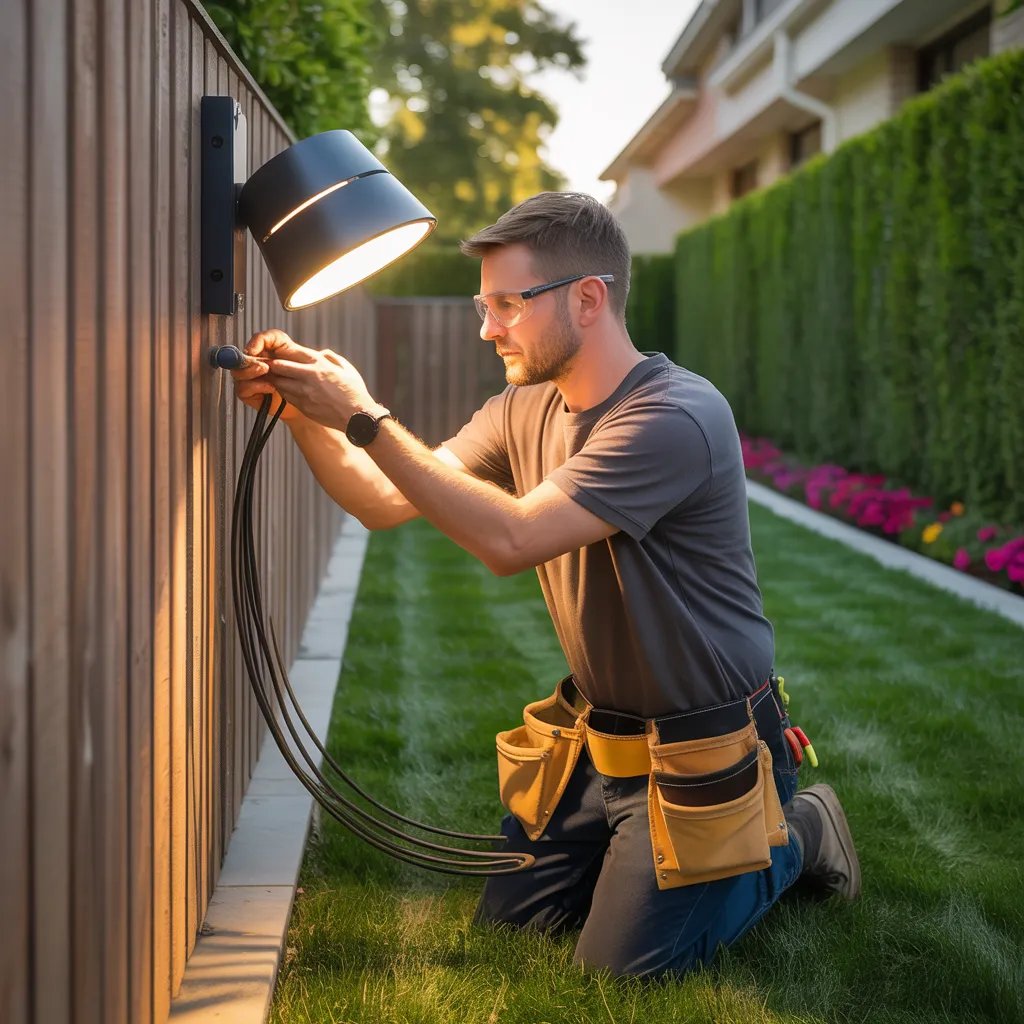
Electrical contractors offer a wide range of offerings customized to fulfill diverse home, business, and industrial requirements. They handle installations, encompassing outlets, circuit breakers, and lighting systems. Additionally, they deliver maintenance support to ensure electrical systems function reliably and securely. Diagnostics and repairs represent another essential component of their services, tackling concerns including damaged wiring or non-functioning appliances.
In addition, electrical contractors excel at upgrading existing electrical systems to accommodate modern demands, including smart home technology and energy-efficient solutions. They are equally capable of ensuring compliance regarding local electrical codes, ensuring that installations meet safety standards. For business clients, services often include larger scale projects, such as electrical wiring for industrial facilities and office buildings. In summary, electrical contractors are indispensable in confirming that electrical systems are reliable, safe, and up to date, meeting the individual needs of all clients.
What to Look for When Choosing an Electrical Contractor?
When choosing an electrical contractor, two critical factors come into play: expertise and credentials, along with licensure and insurance standards. The proficiency of a contractor frequently demonstrates their capacity to manage diverse electrical work safely and efficiently. Verifying appropriate licensing and insurance coverage not only shields the homeowner from liability but also confirms the contractor's authenticity and commitment to professionalism.
Experience and Qualifications
Selecting an electrical contractor involves careful consideration of their experience and qualifications, which are critical measures of competence and dependability. A contractor with extensive experience is typically familiar with a broad range of electrical systems and challenges, enabling more effective problem-solving. Furthermore, examining a contractor's credentials, such as their certifications and training, can provide insight into their knowledge of current industry standards and technologies. Experienced contractors are also well-positioned to foresee potential challenges and offer effective answers, ensuring a smoother project execution. At the end of the day, selecting a contractor who showcases both experience and relevant qualifications can significantly influence the safety and quality of electrical work, cultivating trust and confidence in the services provided.
Licensure and Insurance Obligations
Licensing and insurance considerations hold a significant place in the evaluation of an electrical contractor, as they confirm conformity with regional requirements and protect both parties involved. Contractors must possess the appropriate licenses, which reflect their technical proficiency and knowledge of safety protocols. This guarantees superior craftsmanship and minimizes the risk of legal disputes. Furthermore, sufficient insurance shields clients from financial exposure resulting from accidents or damages throughout the project. Homeowners are encouraged to confirm a contractor's qualifications by obtaining copies of their license and insurance paperwork. By focusing on licensed and insured contractors, clients gain greater confidence in their decision, ensuring that all electrical work is completed safely and efficiently.
What You Can Expect During an Electrical Installation
During an electrical installation, a detailed pre-installation evaluation is necessary to guarantee all specifications are satisfied. This approach helps identify potential challenges and facilitates proper planning. Additionally, rigorous safety measures are put in place to safeguard both the personnel and the premises during the installation process.
Pre-Installation Inspection Process
A detailed preliminary assessment is essential for a successful electrical installation. This procedure generally commences with a thorough site inspection where the contractor examines the existing electrical infrastructure and detects any potential challenges. During this phase, contractors also obtain details about the specific electrical requirements of the client, confirming that the recommended system corresponds to their needs. Furthermore, load calculations are conducted to determine the suitable capacity and configuration of the electrical system. The contractor may also assess local codes and regulations to verify compliance. This thorough assessment not only helps in planning the installation but also works to prevent unforeseen issues, contributing to a more efficient execution of the electrical project.
Safety Guidelines Established
Implementing robust safety protocols is essential for any electrical installation. Electrical contractors focus on establishing a secure work environment by following rigorous standards. This involves performing a detailed risk evaluation prior to starting the project, guaranteeing that all workers are outfitted with the proper personal protective equipment (PPE). Throughout the installation process, the contractor implements lockout/tagout protocols to avoid unintended energization of circuits. Routine safety meetings are held to ensure all team members are aware of possible dangers. Moreover, the worksite is continuously evaluated for conformity with local electrical codes and regulations, verifying that all installations satisfy safety benchmarks. By adhering to these guidelines, contractors significantly minimize the likelihood of accidents, providing a more secure environment for both employees and property owners.
Five Common Electrical Repairs and the Best Ways to Address Them
When residents deal with electrical concerns, being aware of the most typical repairs can expedite the troubleshooting process. A common problem involves defective outlets, commonly fixed by installing a new outlet or confirming secure wiring connections. A further frequent repair deals with circuit breakers that continually trip, which may necessitate checking for overloaded circuits or faulty wiring. Flickering lights can indicate loose connections or outdated fixtures, requiring replacement or comprehensive examination. Furthermore, electrical surges can harm household devices, prompting the installation of surge protectors to safeguard devices. In addition, unresponsive switches frequently point to defective wiring or the necessity for switch replacement, guaranteeing that electrical systems operate effectively. Understanding these concerns permits residents to collaborate productively with licensed electricians, supporting swifter and more thorough resolutions. All of these typical repairs underscores the significance of resolving electrical issues swiftly to preserve safety and efficiency throughout the residence.
The Importance of Regular Electrical Services Maintenance
Regular electrical services maintenance is essential for guaranteeing both reliability and safety in a residential electrical system. Over time, wear and tear can result in issues such as outdated components, faulty wiring, or overloaded circuits, increasing the risk of electrical fires and equipment failure. Regular inspections by qualified professionals can uncover potential concerns before they progress, enabling timely corrections or upgrades.
Additionally, consistent maintenance plays a vital role in optimizing energy efficiency, helping to lower utility bills and prolong the lifespan of practical resource appliances. It further ensures conformity with local building codes and safety regulations, shielding homeowners from potential legal liabilities. Overlooking maintenance can result in unexpected breakdowns, causing inconvenience and costly repairs. By committing to routine electrical services, homeowners can safeguard their property, strengthen the reliability of their electrical systems, and enjoy peace of mind knowing that their electrical infrastructure is in good condition.
Advantages and Choices for Upgrading Your Electrical Systems
Modernizing home electrical systems presents many advantages that can significantly boost a home's performance and security. Enhanced efficiency is a primary benefit, as up-to-date systems leverage cutting-edge technology to reduce energy consumption and lower utility bills. Advanced safety components, such as protective circuit breakers and surge suppressors, significantly reduce the threat of fire hazards and equipment deterioration.
Homeowners are also provided with increased power capacity, accommodating the growing number of electrical devices and appliances in modern households. This enhancement permits the installation of additional outlets and specialized circuits for large appliances, lowering the likelihood of straining existing electrical wiring.
Additionally, visual enhancements can be achieved through modernized lighting fixtures and smart home systems, enabling customized ambiance and convenience. With multiple options available, including complete rewiring or partial upgrades, homeowners can tailor their electrical improvements to meet specific needs and budgets, consequently increasing the property's overall value.
How to Maintain Compliance With Electrical Safety Standards
Maintaining adherence to electrical safety regulations is fundamental for homeowners and contractors alike. To reach this goal, it is crucial to keep current with local codes and guidelines, which can change considerably. Tradespeople should complete regular training and credentialing courses to maintain knowledge of the newest requirements.
Performing comprehensive evaluations prior to and following electrical work may assist in detecting potential hazards. Utilizing qualified professionals who maintain the appropriate certifications guarantees that the work adheres to established safety standards. Additionally, keeping precise records of each electrical job conducted provides a clear record for future reference.
Consistently revising and evaluating safety protocols can further enhance compliance, especially when updated rules are implemented. Finally, consulting local authorities or electrical inspection services can supply useful information and support, guaranteeing that all work adheres to official guidelines. By emphasizing these approaches, both homeowners and contractors can help create a more secure electrical setting.
Popular Questions and Answers
How Do I Know if My Electrical System Needs an Upgrade?
Indicators that an electrical system calls for an upgrade include regularly tripping circuit breakers, intermittent flickering of lights, outdated wiring, insufficient electrical outlets, or the failure to accommodate modern appliances. Speaking with a certified electrician can provide a comprehensive evaluation and professional guidance.
What Credentials Should I Seek in an Electrical Contractor?
When selecting an electrical contractor, it is important to prioritize qualifications such as proper licensing, insurance, hands-on experience, and favorable customer feedback. Credentials in safety standards and regular training also reflect a strong emphasis on quality and professional conduct.
Can I Safely Carry Out My Own Electrical Repairs?
Carrying out DIY electrical work can be hazardous without the right training and expertise. All safety codes must be adhered to, and missteps can cause severe outcomes. Contacting a licensed electrical professional is generally the wisest decision.
How Long Does an Electrical Installation Generally Take?
A typical electrical installation usually takes from a few hours up to several days, according to the scope and complexity of the work involved. Elements including the property size and particular project demands play a significant role in determining the total duration.
What Are the Signs of Faulty Electrical Wiring?
Indicators of problematic wiring issues include circuit breakers that trip frequently, flickering lights, discolored outlets, the smell of burning, or switches that feel warm. Such symptoms often point to deeper problems that call for immediate attention from a professional to ensure your safety.